
What to Expect During a Home Inspection: A Step-by-Step Guide for Upstate SC Homebuyers
A home inspection is one of the most important steps in your home-buying process. It gives you a clearer picture of the property’s condition before you commit to one of the largest purchases you will ever make.
If you are buying a home in Greenville, Anderson, Easley, Clemson, Spartanburg, or another Upstate South Carolina community, knowing what to expect can make inspection day feel much more manageable. Here is how the process typically works: from scheduling the inspection to reviewing your report and deciding what to do next.
Why a Professional Home Inspection Matters
A home can look perfect during a showing and still have concerns that are not immediately visible. Moisture in a crawlspace, aging electrical components, roof deterioration, drainage problems, or an inefficient HVAC system may not be obvious during a quick walk-through.
A professional inspection helps you:
Understand the home’s current condition
Identify safety concerns and material defects
Plan for future maintenance and repairs
Make more informed decisions during contract negotiations
Avoid unexpected expenses after closing
A home inspection is not designed to make you anxious or discourage you from buying. It is a practical planning tool. The goal is to help you move forward with accurate information and greater confidence.
Before the Inspection: How to Prepare
1. Schedule the inspection promptly
Once your offer is accepted, review your contract and coordinate with your real estate agent about the inspection deadline. Many buyers have a limited inspection period, so scheduling early gives you time to receive the report, ask questions, and consider any additional evaluations.
You can learn more about The Home Report’s home inspection service or book an inspection online.
2. Confirm the inspector’s credentials
Why does licensing matter? A licensed inspector has met South Carolina requirements and is accountable to the state’s regulatory standards.
The South Carolina Residential Builders Commission, part of the Department of Labor, Licensing and Regulation, oversees home inspector licensing. South Carolina also establishes requirements for inspection reports, scope disclosures, and professional conduct under Title 40, Chapter 59.
Before hiring an inspector, ask:
Is the inspector currently licensed in South Carolina?
What areas and systems are included?
Which inspection standards are followed?
When will the written report be delivered?
Are specialized services or referrals available if needed?
The Home Report LLC is a licensed home services company serving Upstate South Carolina. Our approach emphasizes detailed documentation, transparent service, and trustworthy information you can use when making your decision.
3. Review the inspection agreement
Before the inspection begins, you will typically receive an agreement explaining the scope and limitations of the inspection. Take your time reviewing it, and do not hesitate to ask questions.
A standard inspection is generally:
Visual – The inspector evaluates visible conditions
Non-invasive – Walls, floors, and finished surfaces are not opened or destroyed
Limited to accessible areas – Items blocked by furniture, storage, or unsafe conditions may not be inspected
Not a guarantee – The inspection reports current observable conditions, not the future performance of every component
Understanding the scope helps you know what the inspection can: and cannot: tell you.
During the Inspection: What Actually Happens
A typical home inspection takes approximately three hours, depending on the size, age, condition, and accessibility of the property. Your inspector will usually follow a systematic process so important areas are not overlooked.
Step 1: The inspector evaluates the site and exterior
The inspection often begins outside. In the Upstate, drainage and moisture management deserve particular attention because heavy seasonal rainfall, sloped lots, and changing soil moisture can affect foundations and crawlspaces.
The inspector may examine:
Grading and drainage around the home
Driveways, walkways, patios, and retaining walls
Siding, brick, trim, and exterior wall surfaces
Windows and exterior doors
Decks, porches, balconies, stairs, and railings
Gutters and downspouts
Visible foundation surfaces
Watch out for: water flowing toward the foundation, damaged siding, loose railings, wood rot, or areas where soil sits too high against exterior walls.
These observations help you understand how well the home is protected from water intrusion and everyday safety concerns.
Step 2: The roof system is inspected
Roof repairs and replacement can represent a significant future expense. Your inspector will assess the roof covering and visible components from the ground, a ladder, or the roof surface when conditions make that safe and practical.
The review may include:
Shingles or other roofing materials
Flashing around vents, chimneys, and roof transitions
Valleys and penetrations
Gutters and downspouts
Fascia, soffits, and eaves
Visible signs of leaks, damage, or deterioration
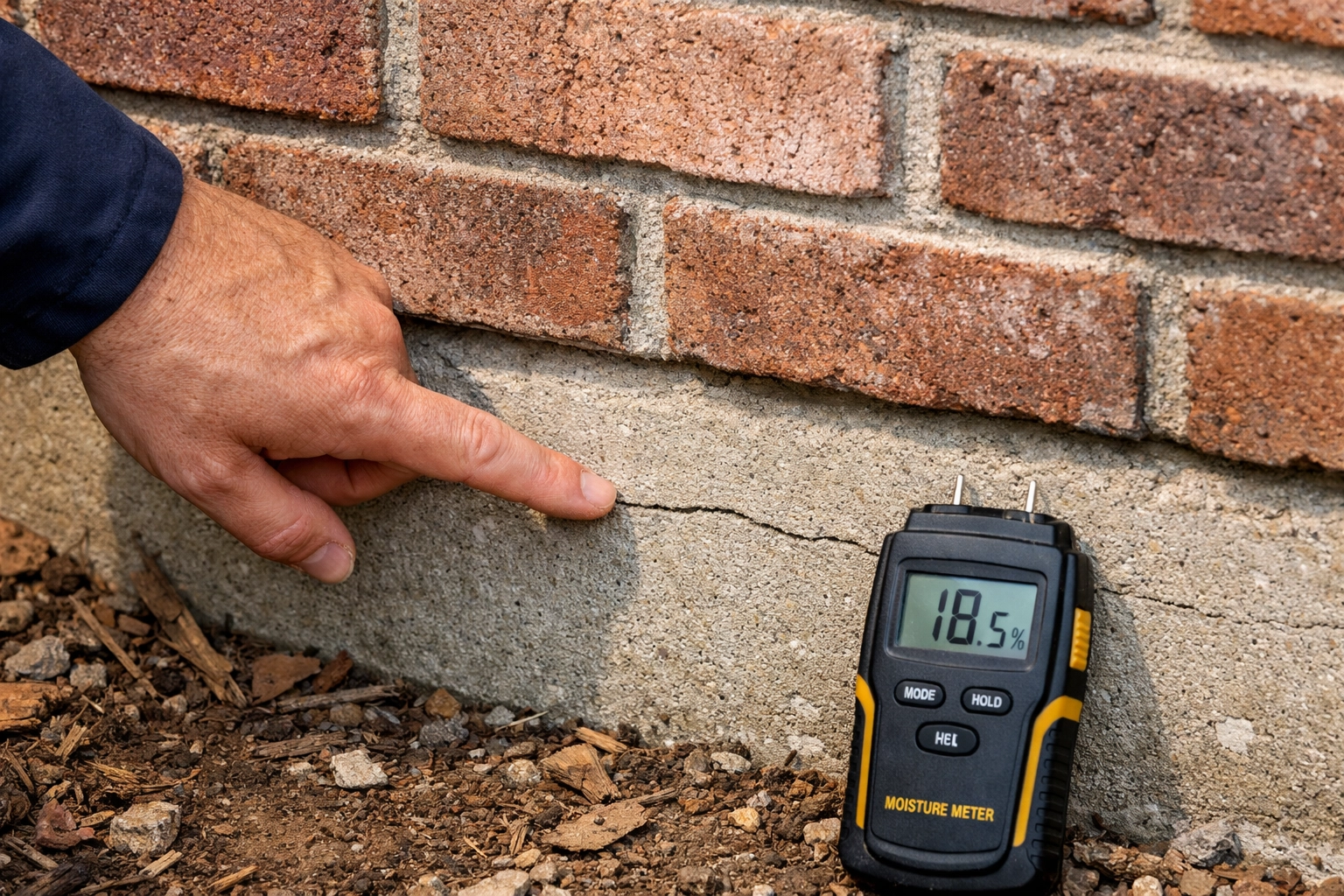
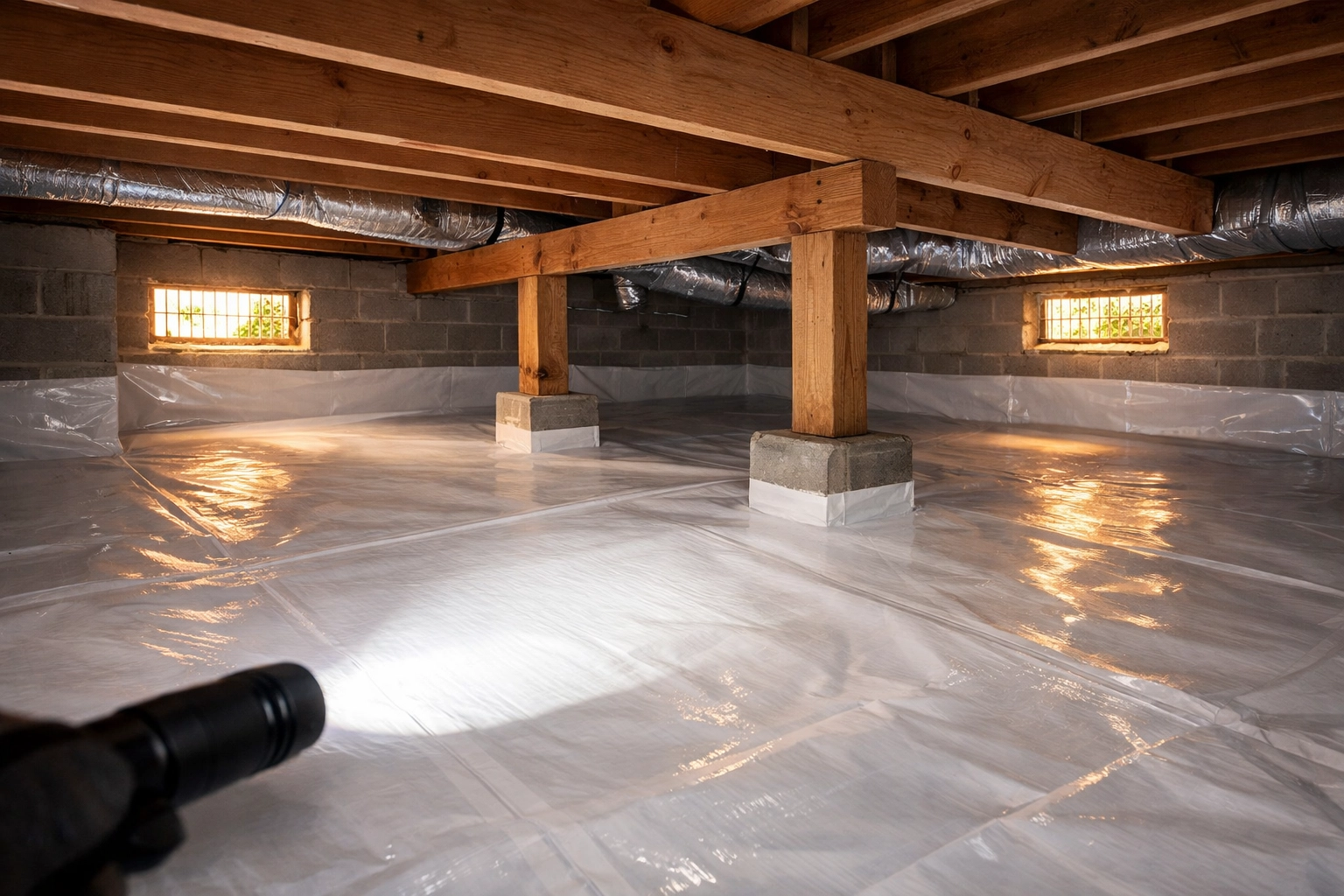
Step 3: The attic, foundation, and crawlspace receive close attention
Many Upstate South Carolina homes have crawlspaces rather than full basements. These areas can provide important clues about moisture, ventilation, structural support, and past repairs.
Your inspector may look for:
Foundation cracks or signs of movement
Moisture staining or standing water
Damaged or deteriorated framing
Inadequate supports
Insulation and vapor barriers
Ventilation concerns
Evidence of pests or wood-destroying organisms
Roof leaks or staining visible from the attic
Not every crack indicates a major structural problem. Your inspector’s job is to document what is visible and explain when additional evaluation may be appropriate.
Step 4: Interior rooms are checked systematically
Inside the home, the inspector typically moves room by room. This may include the basement or crawlspace, main living areas, bedrooms, bathrooms, upper floors, and attic access points.
Commonly inspected interior items include:
Walls, ceilings, and floors
Windows and interior doors
Stairs, steps, and railings
Visible signs of water damage
Bathroom ventilation
Kitchen fixtures and plumbing
Smoke and carbon monoxide detectors where accessible
Garage doors and safety features
The inspection focuses primarily on conditions that affect safety, function, durability, or future maintenance. Minor cosmetic imperfections may be documented selectively but are usually not the primary focus.
Step 5: Plumbing systems are tested
Your inspector will examine visible plumbing components and operate fixtures where possible. This may include:
Sinks, tubs, showers, and toilets
Water supply and drain lines
Water pressure and drainage
Visible leaks
Exterior hose bibs
Water heater condition, age, connections, and safety components
Sump pump operation, if present
Watch out for: slow drains, leaking supply connections, improper discharge piping, corrosion, or a water heater nearing the end of its expected service life.
Step 6: Electrical systems are evaluated
Electrical concerns can affect both safety and future repair costs. The inspector may review the service entrance, accessible electrical panel, visible wiring, representative outlets, and protective devices.
The inspection may include:
Electrical panel condition and labeling
Visible wiring concerns
Grounding and bonding
Outlet polarity and grounding
GFCI protection in areas such as kitchens, bathrooms, garages, and exterior locations
AFCI protection where present
Light switches and fixtures that are accessible
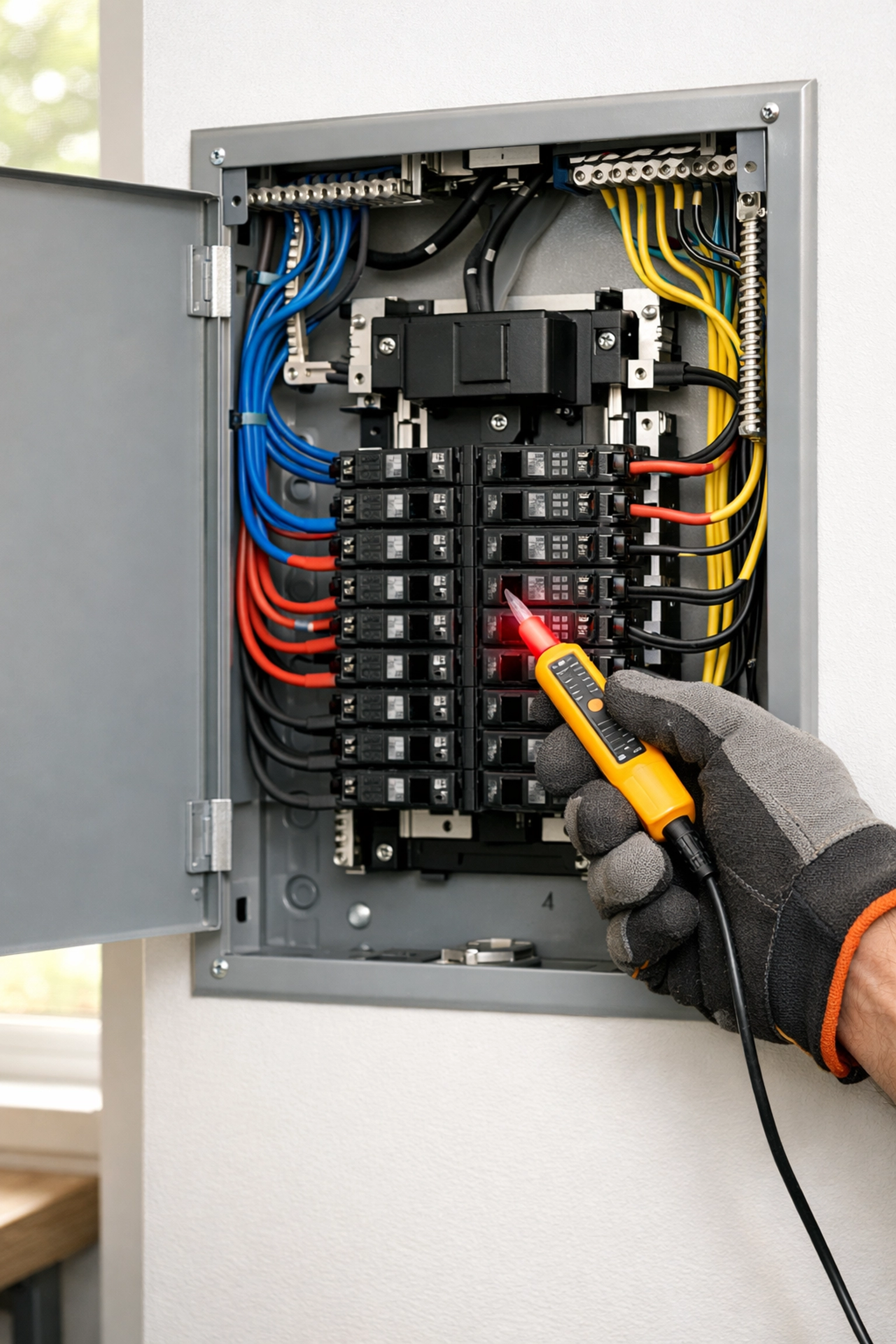
A home inspection is not the same as a complete electrical engineering evaluation. If the inspector identifies a concern that requires specialized review, the report may recommend evaluation by a qualified electrician.
Step 7: Heating, cooling, and built-in appliances are checked
Your inspector will operate heating and cooling equipment through normal controls when conditions allow. The goal is to assess basic operation and visible condition: not to predict the exact remaining life of the system.
The HVAC review may include:
Furnace, heat pump, or air handler
Outdoor condenser
Thermostat operation
Visible ductwork
Air distribution
Corrosion, damage, or maintenance concerns
Apparent age of the equipment
Built-in appliances may also be tested briefly, including the range, oven, dishwasher, garbage disposal, and built-in microwave if they are included in the sale.
Step 8: The inspector documents findings
Throughout the visit, the inspector takes notes and photographs. A detailed report may identify:
Safety issues
Material defects
Deferred maintenance
Water intrusion evidence
Components needing repair or replacement
Areas requiring additional specialist evaluation
You are encouraged to attend when possible. Being present allows you to see conditions firsthand, ask questions, and better understand the difference between a minor maintenance item and a more significant concern.
After the Inspection: Reviewing Your Report
What should you expect in the report?
Your written report should clearly describe the home’s major systems and identify items that were not inspected because they were inaccessible, unsafe, or outside the agreed-upon scope.
A quality report often includes:
Descriptions of observed conditions
Supporting photographs
Safety and maintenance recommendations
Explanations of why an issue matters
Suggestions for further evaluation when appropriate
At The Home Report LLC, our goal is to provide detailed, trustworthy information rather than vague comments or confusing technical language. Customers recognize our commitment to thorough service, and we work to make the report useful for both immediate decisions and long-term homeownership planning.
How do you use the findings?
Your real estate agent can help you evaluate the report within the terms of your contract. Depending on the findings, your options may include:
Requesting specific repairs
Asking for a seller credit
Adjusting your offer
Planning for future maintenance
Ordering a specialist inspection
Proceeding with the purchase as planned
The inspection report is not a pass-or-fail grade. Every home has maintenance needs, especially older properties. The important question is whether you understand the condition, potential cost, and priority of each item.
What a Standard Inspection May Not Include
Some property features require separate testing or specialized inspections. These may include:
Termite or wood-destroying organism inspections
Septic systems and sewer lines
Wells and water quality
Swimming pools and hot tubs
Radon testing
Mold or asbestos testing
Chimney interiors
Underground utilities
Specialized structural or environmental evaluations
If the home has one of these features, ask your inspector what additional services may be appropriate. Identifying the need early gives you more time to gather reliable information.
Why Choose The Home Report for Your Upstate SC Inspection?
Choosing the right inspector is about more than checking a box in your purchase timeline. You want someone who takes the time to examine the property carefully, explain the findings clearly, and provide information you can trust.
The Home Report LLC offers:
Licensed home inspection services
Detailed reporting with practical observations
Transparent, professional communication
Local familiarity with Upstate SC properties
Thorough service focused on helping you make informed decisions
A trusted reputation reflected in customer feedback
Whether you are buying your first home, relocating to the Upstate, or purchasing an investment property, a professional inspection can help you plan with greater confidence.
Schedule Your Upstate SC Home Inspection
The best time to schedule your inspection is as soon as your offer is accepted and your inspection period begins. Prepare your questions, attend if possible, and take the time to understand the report before making decisions.
Ready to feel more confident about your next home purchase? Visit hmreprt.net or book your home inspection online with The Home Report LLC.
Your future home deserves a careful look. With the right licensed inspector on your side, you can move forward with clearer information, better preparation, and greater peace of mind.
Comments